

素のWebGLだけで作った、進化する3D海洋生態系(HTML1ファイル)
Astraがライブラリなしの WebGL と GLSL で、光る細胞が分裂・変異・結合して群体となり泳ぐ生態系シミュレーションを書きました。
Claude Code + Three.js(コードのみ)Wandy 2
精細な3Dモデルを作ろう
コードだけでは単純な形しか作れません。Wandy 2なら写真1枚から、同じシーンで使えるテクスチャ付き3Dモデルを作れます。
Wandy3Dによる制作ブリーフ
作者がプロンプトを公開していないため、この作品を再現する方法を私たちがまとめました。
Build a single self-contained HTML file with raw WebGL and GLSL, no libraries, that simulates an evolving 3D ocean ecosystem. Start from a primordial sea with thermal vents on a dark seabed, then let translucent bioluminescent cells appear, drift, divide and mutate in visible ways. Add predation, energy economics and natural selection, and let cells bond into multicellular colonies that grow appendages and swim as organisms. Write the full pipeline yourself: vertex and fragment shaders, procedural geometry, lighting and a volumetric fluid look. Use a slowly drifting camera like a submersible, a deep teal and green palette with glowing accents, and a minimal HUD showing elapsed time, population, species and most complex organism, plus short stage captions. Give only the vision, not implementation details. Done means life emerges unaided and runs without errors.
このプロンプトの使い方
ビルドブリーフをGPT-6 Astraに渡し、素のWebGLによる単一HTMLファイルを依頼します。
舞台や配色、生物の特徴を変えます。データ構造ではなく世界観を伝えるのがコツです。
ファイルを開いて進化の段階を観察し、変異や捕食者、カメラの動きの追加を頼みます。
元の投稿作者の方ですか? このページの修正・削除をご依頼ください
似ているプロンプト
すべてのプロンプトを見る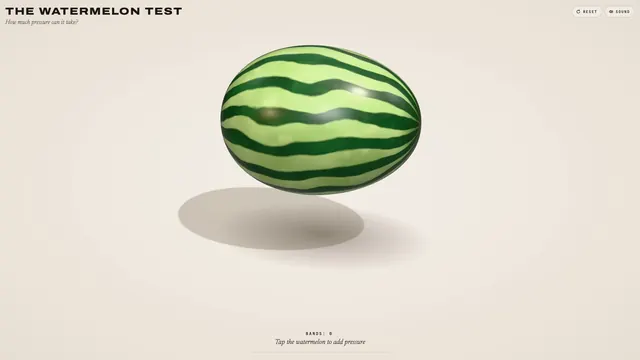 Claude Opus 5.5
輪ゴムスイカ実験を再現した、弾ける3Dブラウザおもちゃ
林悦己Cheer
 Claude Opus 5.5
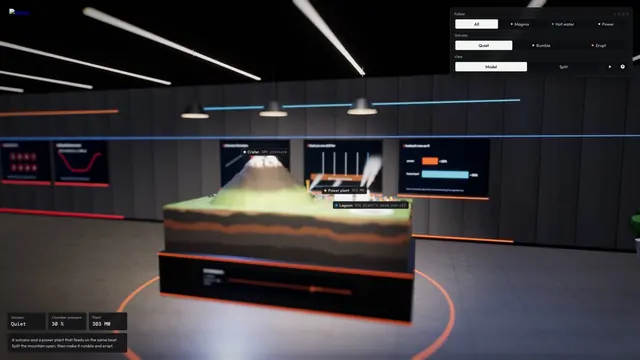
マグマだまりを備えたインタラクティブ3D火山断面シミュレーション
Konstantin Saifoulline
 Claude Opus 5.5
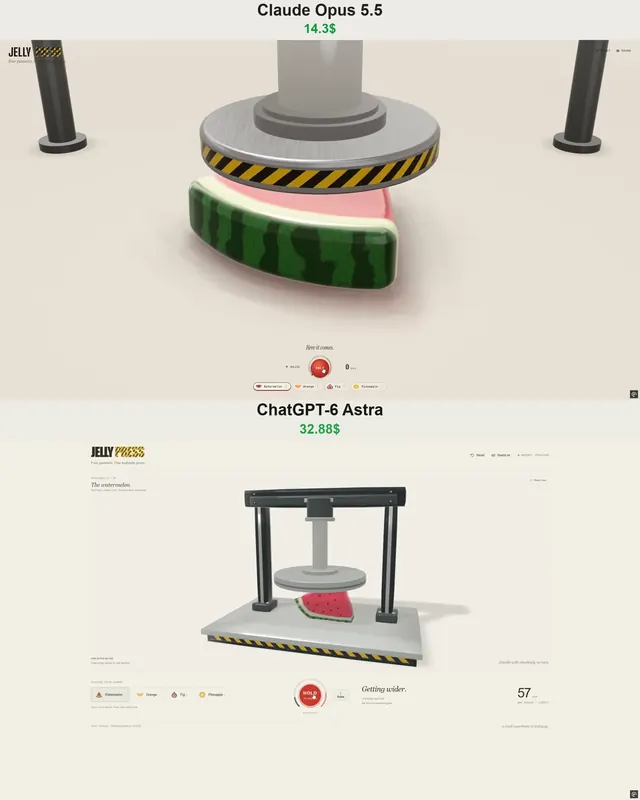
WebGPUのゼリープレス:油圧プレスで潰れて弾けるフルーツゼリー
Vib3Coded
 Claude Opus 5.5
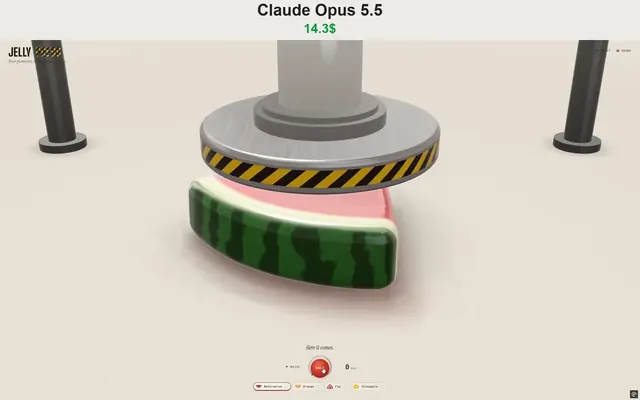
WebGPUで動くジェリープレス玩具:果物グミを潰して投げる
Vib3Coded
 Claude Opus 5.5
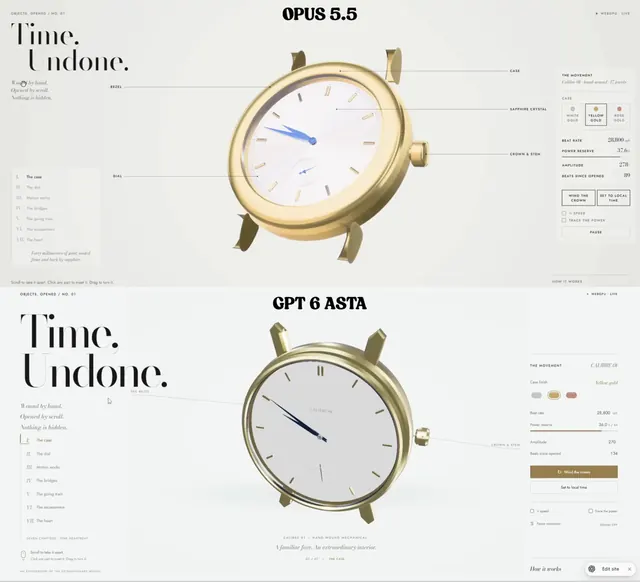
スクロールで分解される機械式腕時計、WebGPUの単一HTML
Paruchh
 Claude Opus 5.5
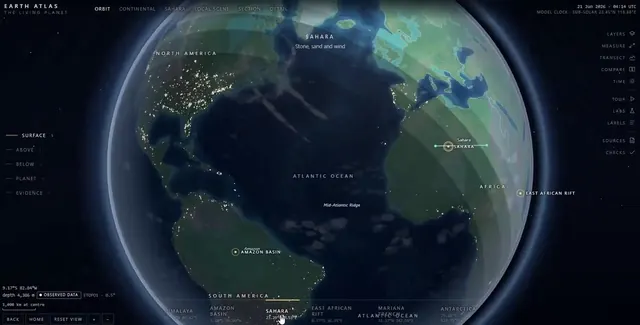
地球儀・探検・内部断面を備えた単一ファイルのSVGインタラクティブ地球アトラス
Gadgetify