

Two procedural steam locomotives in Three.js with an explode-and-reassemble view
GPT-6 Astra wrote TypeScript that builds two trains at runtime with no model files, including code-driven wheels and an exploded-parts animation.
Create detailed 3D models
Code alone gets you simple shapes. Wandy 2 turns one photo into a textured 3D model you can use in the same scene.
Build brief by Wandy3D
The author didn't share a prompt, so we wrote down how to recreate this build.
Build an interactive browser showcase of two steam locomotives, one classic and one streamlined, using TypeScript and Three.js with no external 3D model files. Generate every part at runtime from dimensions, profiles and geometry helper functions: boiler, cab, wheels, rods, tender and rails. Use a clean light interface with a serif headline, a small panel for travel speed, view buttons and a play toggle. Animate the wheels and the trains rolling along the track, with a speed slider. Add an explode and reassemble animation that separates all parts in the air and puts them back together, driven entirely by code. Allow orbiting the camera around the trains with soft shadows on a pale ground. Done means smooth performance in the browser and recognizable, detailed locomotives.
How to use this prompt
Paste the build brief into GPT-6 Astra in a coding agent set up for a TypeScript and Three.js project.
Swap the machines for other subjects, such as a car engine or a clock, and tweak the speed controls.
Run it in the browser and ask for more detail on parts, camera moves or a labelled exploded view.
Original postAre you the author? Ask us to edit or remove this page
More prompts like this
Browse all prompts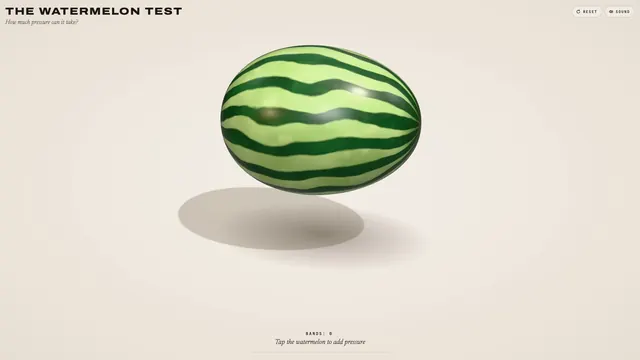 Claude Opus 5.5
Rubber band watermelon test: a squeezable, bursting 3D browser toy
林悦己Cheer
 Claude Opus 5.5
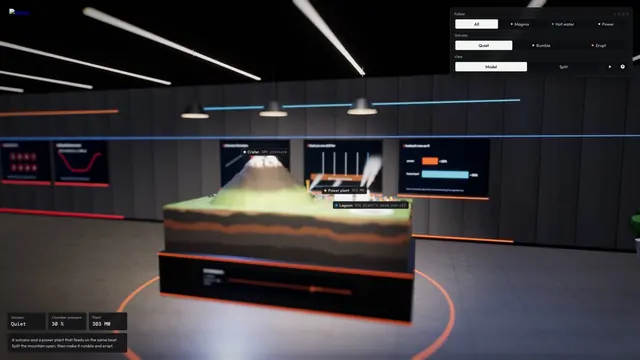
Interactive 3D volcano cutaway simulation with magma chamber
Konstantin Saifoulline
 Claude Opus 5.5
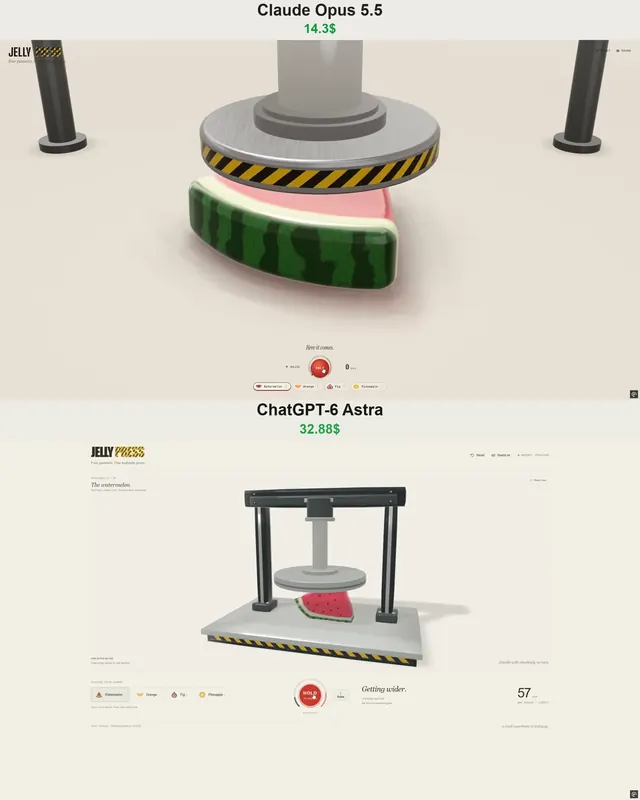
WebGPU jelly press toy: gummy fruit squashed and burst by a hydraulic press
Vib3Coded
 Claude Opus 5.5
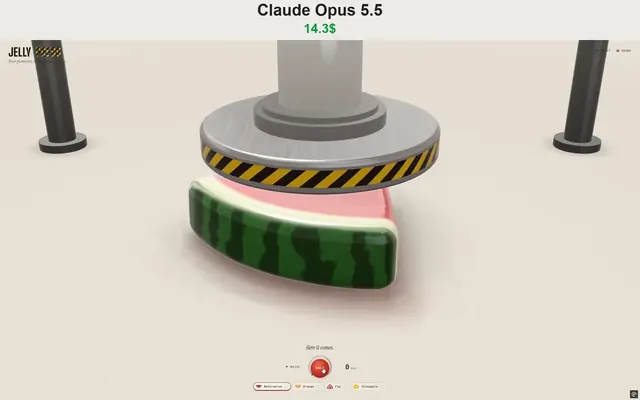
Single-file WebGPU jelly press toy with soft-body fruit gummies
Vib3Coded
 Claude Opus 5.5
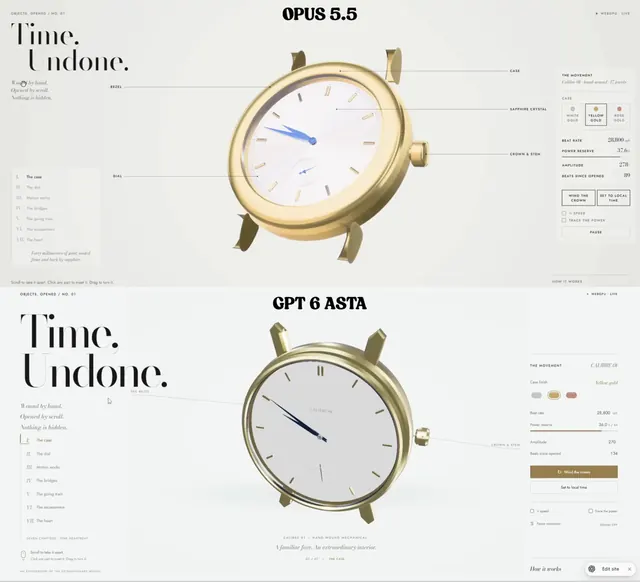
Scroll-driven exploding mechanical watch in raw WebGPU, single HTML file
Paruchh
 Claude Opus 5.5
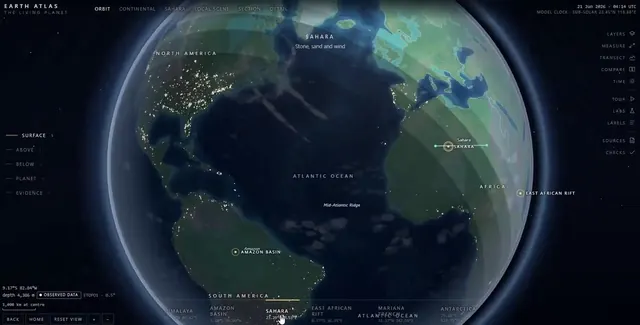
Single-file interactive SVG Earth atlas with globe, expeditions and cutaway
Gadgetify