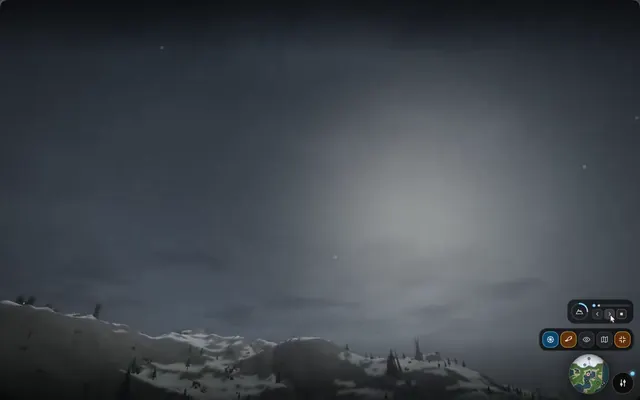

从风暴海面潜入深渊的程序化海洋,单个HTML文件
GPT-6 Astra把开源海面生成器扩展成完整的下潜体验:珊瑚礁、鲸鱼和深海生物,行为均由程序模拟。
Claude Code + Three.js(仅代码)Wandy 2
创建精细的 3D 模型
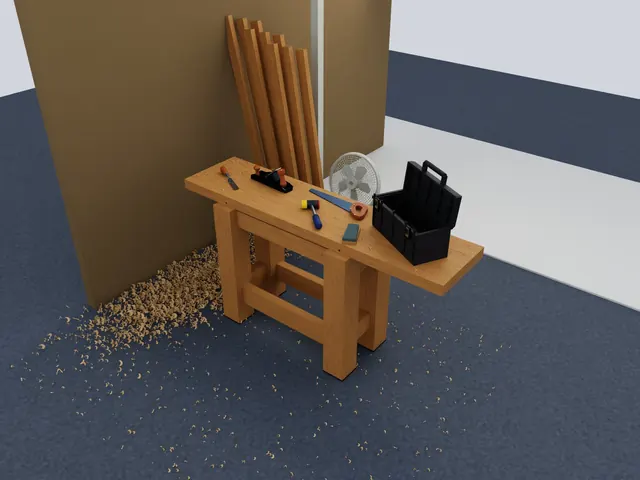
单靠代码只能做出简单的形状。Wandy 2 能用一张照片生成带纹理的 3D 模型,直接用在同一个场景里。
Wandy3D 制作说明
作者没有公开提示词,因此我们写下了复现这个作品的方法。
Build a single self-contained HTML file that renders a living ocean you can descend through. Start at a stormy, animated sea surface with rolling waves under heavy clouds, then let the viewer dive through named depth zones: sunlit coral ridges, open blue water, a continental slope, a pitch-black abyssal plain and a deep-sea garden with glowing creatures. Fade light and colour from bright teal to near black as depth increases. Populate each zone with procedurally simulated animals such as schools of fish, a humpback whale and drifting deep-sea organisms, each following simple behaviour rules like schooling, wandering and avoiding the camera. Add a minimal overlay with the zone title, a depth readout, a species info card and a settings panel for seed, lighting and surface options, plus URL parameters that restore a chosen site and seed. Done means the whole dive plays smoothly in a browser, the surface-to-abyss transition feels continuous and the animals visibly move on their own.
如何使用这条提示词
在编码工具中把构建说明粘贴给GPT-6 Astra,要求生成单个独立HTML文件。
替换海域环境、深度分区、动物清单、随机种子和光照,做成你自己的海洋。
打开文件逐层下潜,再让模型添加新物种、音效或镜头路径继续打磨。
原帖你是作者吗? 请联系我们修改或删除此页面