

Dense misty Three.js forest with thousands of trees and instanced grass
After hours of work, GPT-6 Astra produced a real-time Three.js forest with custom shaders, millions of grass clumps, ferns and a winding path.
Claude Code + Three.js (code only)Wandy 2
Create detailed 3D models
Code alone gets you simple shapes. Wandy 2 turns one photo into a textured 3D model you can use in the same scene.
Build brief by Wandy3D
The author didn't share a prompt, so we wrote down how to recreate this build.
Build a highly detailed procedural forest in Three.js that the viewer explores from a first-person camera. Fill a large terrain with thousands of individual trees of varied shapes, millions of instanced grass clumps and tens of thousands of ferns, plus moss-covered logs, small white flowers and a worn dirt path winding between the trunks. Use custom GLSL shaders for wind-swayed grass and foliage, soft misty fog that fades distant trees into pale green haze, and filtered light coming through the canopy. Keep the palette natural: deep greens, brown bark, warm earth tones and a bright overcast sky. Use instancing and level of detail so it runs smoothly in a browser. Let the camera walk along the path and tilt up to show branches and leaves against the sky. Done means a web page that loads and runs in real time with convincing density and depth.
How to use this prompt
Paste the build brief into GPT-6 Astra in your coding agent and ask for a Three.js web page.
Change the biome, tree counts, fog density and light to get a pine, jungle or autumn forest.
Open the page, check performance, then ask for instancing or level-of-detail fixes if it stutters.
Original postAre you the author? Ask us to edit or remove this page
More prompts like this
Browse all prompts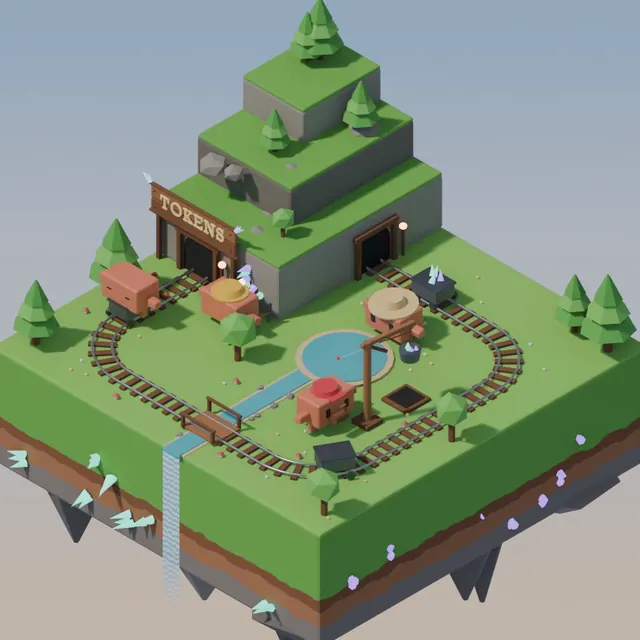 Claude Opus 5.5
Isometric floating mine island in Blender with looping animation
Koldo Huici
 Claude Opus 5.5
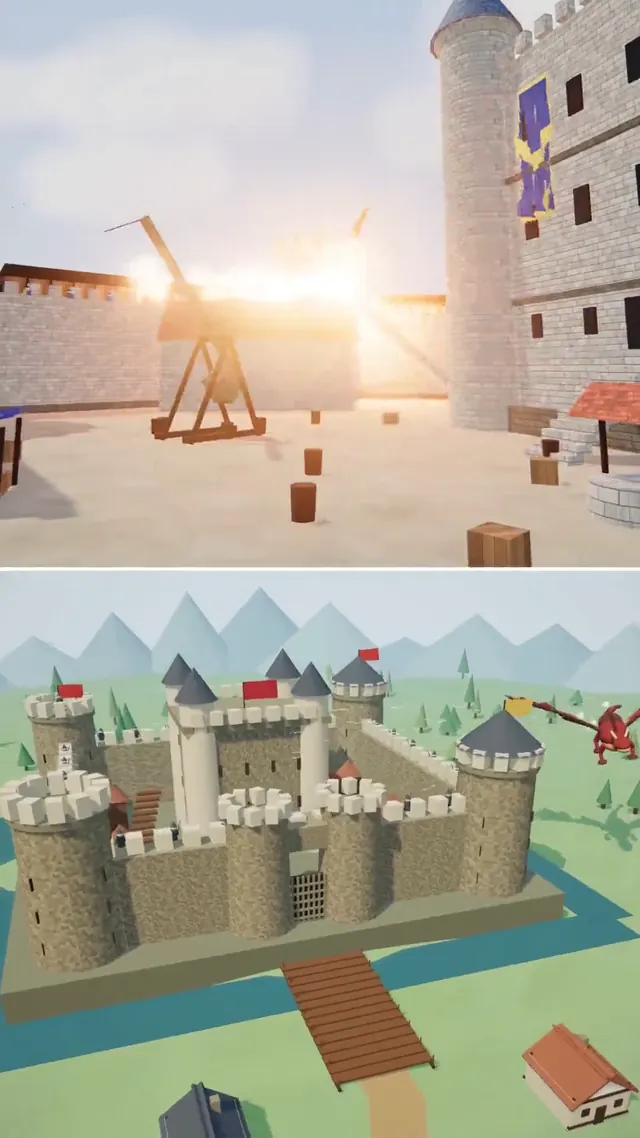
Three.js dragon attacking a medieval castle and village, model comparison
ReconScribe
 GPT-6 Astra
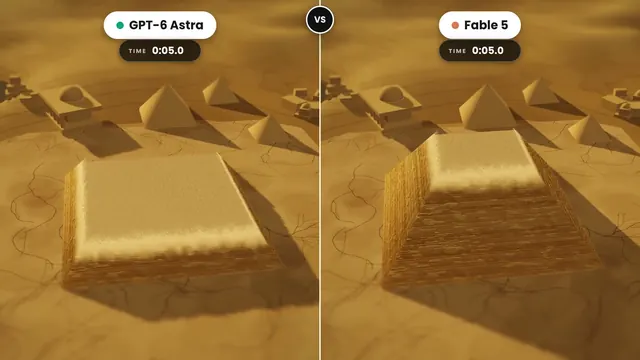
Golden tilt-shift pyramid diorama that builds itself, two-model comparison
demon
 GPT-6 Astra
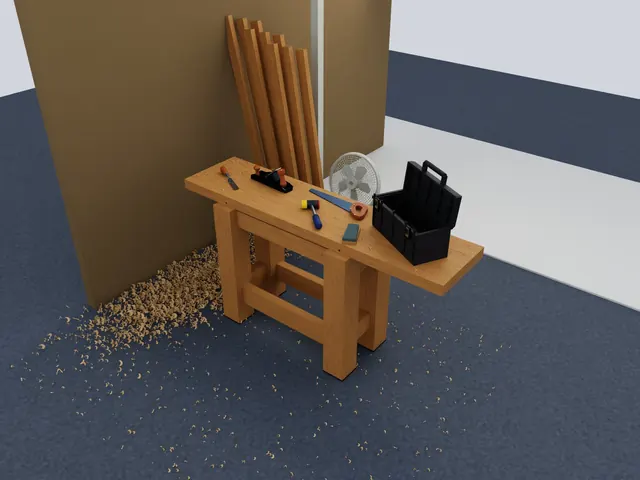
Isaac Sim carpentry workbench scene for robot manipulation testing
Charles Wong
 GPT-6 Astra
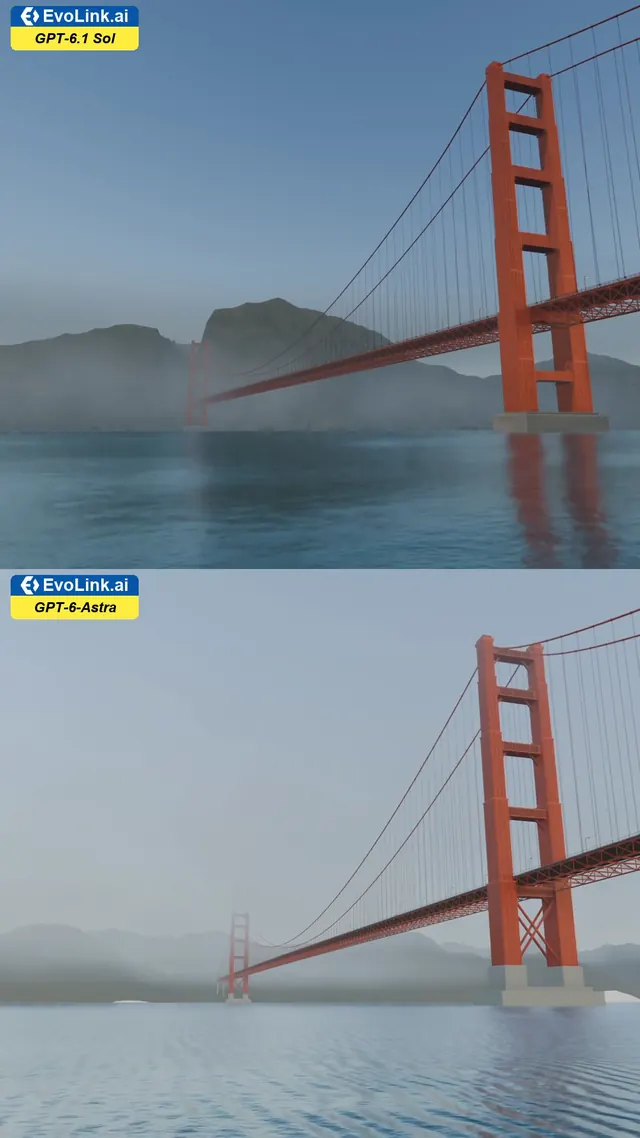
Golden Gate Bridge in morning fog, low-angle Blender-style render
EvoLink.ai
 Claude Opus 5.5
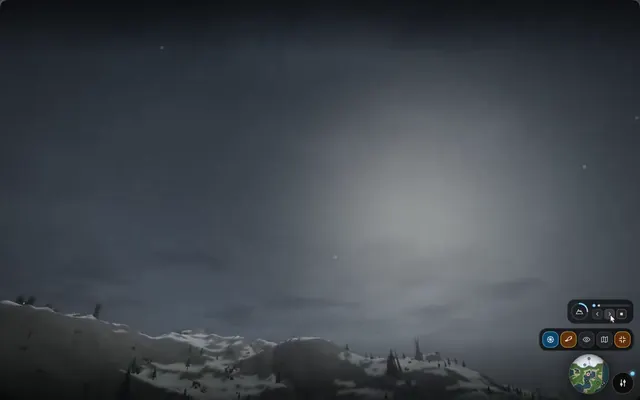
Fantasy world flythrough: island village, snowy peaks and a castle
DrstaOne